Stunning Accessible London Travel – Ultimate Guide to Inclus
Accessible London Travel – Your Ultimate Guide to Inclusive Exploration
London, a vibrant city renowned for its history, culture, and architectural grandeur, offers an extraordinary experience for tourists of all abilities. From iconic landmarks like Buckingham Palace and Westminster Abbey to hidden gems such as the Tate Modern and The British Museum, there’s something for everyone in this bustling metropolis. London is not only a travel destination but also a place where inclusivity is celebrated. This guide aims to help visitors with disabilities or those looking for accessible travel options make the most of their time in the capital.
## Navigating London: A Guide for Accessible Travel
Traveling with accessibility in mind can sometimes seem daunting, especially when exploring a city as vast and complex as London. However, with careful planning and knowledge of the local resources, you can ensure that your journey is both enjoyable and seamless. Here are some key tips to help you navigate the city:
### 1. **Transportation Options**
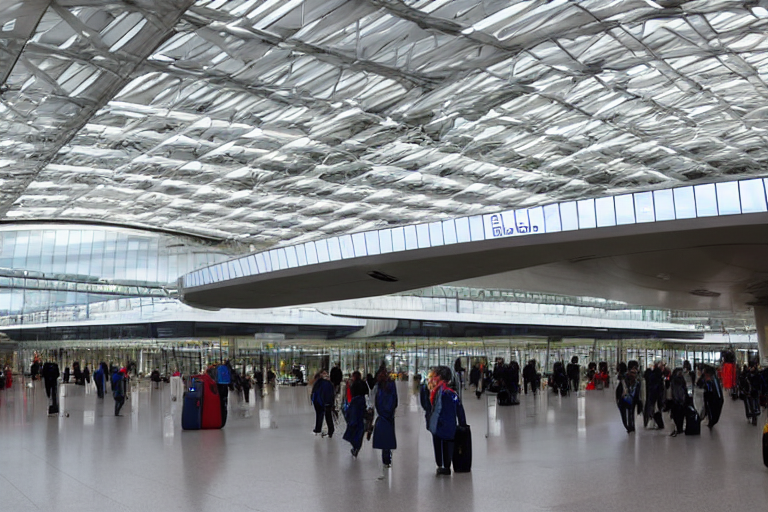
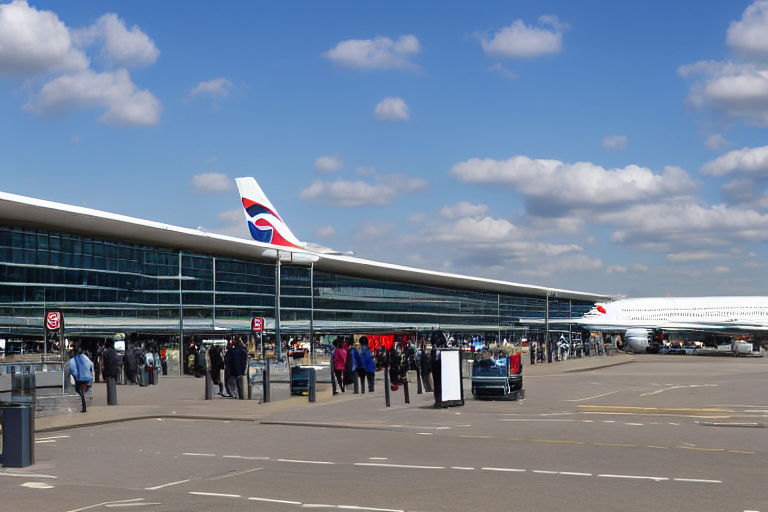
London’s public transport network is one of its most iconic features. The Underground (commonly known as the Tube), buses, and trains are all accessible options for travelers.
– **Underground**: Look out for stations with designated disabled toilets and lifts. Many stations also have step-free access and automatic ticket gates. For a more flexible option, consider using the London Pass, which provides free travel on the Underground and buses.
– **Buses**: Many bus stops have wheelchair ramps and tactile paving to help visually impaired passengers cross the road safely. The Transport for London (TfL) website offers real-time information about accessible bus services.
– **Trains**: London’s rail network includes stations with lifts, toilets for disabled passengers, and step-free access at many points. The National Rail Enquiries website provides detailed information on accessibility features across all train stations.
### 2. **Landmark Accessibility**
Many of London’s famous landmarks are designed with accessibility in mind.
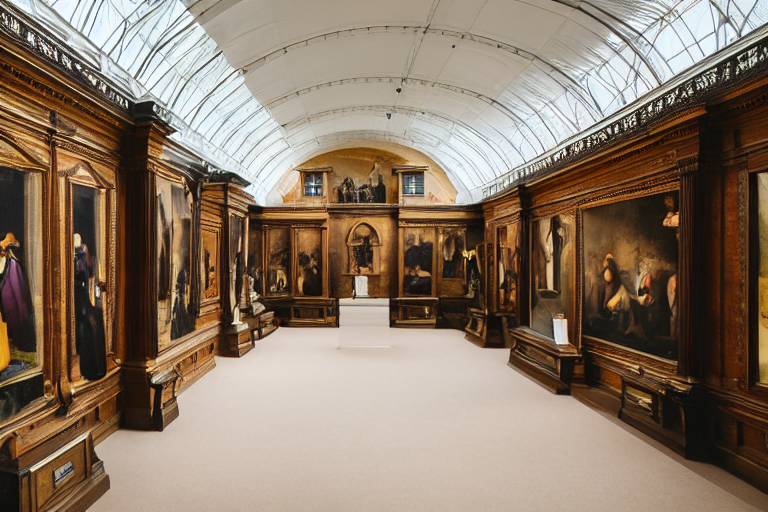
– **British Museum**: Offers audio descriptions for visually impaired visitors, tactile tours, and wheelchair access to all its galleries.
– **Tate Modern**: Provides wheelchair access to all its galleries and offers audio guides that can be downloaded as MP3 files for offline use.
– **Natural History Museum**: Features a tactile trail that allows blind and partially sighted visitors to explore.
### 3. **Tourist Attractions**
London is brimming with tourist attractions, each offering different ways for visitors with disabilities to engage and enjoy their experience.
– **London Eye**: Offers wheelchair access and audio descriptions for visually impaired passengers.
– **Science Museum**: Interactive exhibitions are designed to be accessible to all ages and abilities.
– **Royal Albert Hall**: Features wheelchair-accessible seating in many of its theatres, allowing patrons with disabilities to enjoy a show.
### 4. **Cultural Experiences**
London’s cultural scene is as diverse as it is rich, and there are numerous venues that cater to inclusive experiences.
– **West End Theatre District**: Many theatres offer wheelchair-accessible seating.
– **Royal Opera House**: Offers tactile tours for visually impaired visitors.
– **Royal Shakespeare Company**: Provides audio description services.
## Accessibility Resources and Support
When planning your trip, it’s essential to have access to reliable information about London’s accessibility features. Here are some resources that can help you prepare:
### 1. **London Travel**
This official website provides detailed guides on accessible travel in London, including transportation options, wheelchair-friendly tours, and information on disability services.
– **Accessible Transport**: Information on step-free access, disabled toilets, and lift availability at stations.
– **Wheelchair Accessible Tours**: A list of guided tours tailored to visitors with disabilities.
– **Disability Services**: Contact details for local disability groups and support services.
### 2. **VisitBritain**
The British Tourist Board offers a wide range of advice for visitors with disabilities, including tips on accommodation, transport, and activities.
– **Accommodation Advice**: Recommendations for accessible hotels and guesthouses.
– **Transport Tips**: Practical information on using public transport and navigating the city.
– **Activities Guide**: Suggestions for disability-friendly attractions and events.
### 3. **Disability Rights UK**
This charity provides comprehensive information about accessibility in the UK, including London. They offer resources on accessible travel, employment, and education.
– **Accessible Travel Guides**: Detailed guides on accessing various landmarks and attractions.
– **Employment Support**: Information on disability-friendly employers and job roles.
– **Education Resources**: Advice for parents of disabled children looking to study in the UK.
### 4. **Wheelchair Accessible London**
This website is dedicated to promoting accessibility in London and offers a wealth of information on wheelchair-friendly attractions and services.
– **Attraction Listings**: A comprehensive list of wheelchair-accessible museums, galleries, and parks.
– **Service Providers**: Details of companies that offer accessible travel and tour packages.
– **Community Support**: Forums and groups for disabled visitors to share experiences and tips.
## Creating Memorable Experiences
Exploring London with accessibility in mind can lead to some truly unforgettable experiences. By leveraging the city’s accessible infrastructure and resources, you can ensure that your trip is both enjoyable and enriching.
### 1. **Communication**
Remember to communicate any specific needs or requirements to your accommodation providers and tour operators well in advance. This will allow them to make necessary arrangements and provide a seamless experience for you.
– **Accommodation**: Book hotels or guesthouses with accessible facilities such as wheelchair-accessible rooms, roll-in showers, and ground-level entrances.
– **Tour Operators**: Choose tour operators that offer inclusive travel packages with options for disabled visitors. They can arrange for audio guides, sign language interpreters, and other support services.
### 2. **Planning Your Itinerary**
When planning your itinerary, consider the accessibility of each destination. Some attractions may require prior booking or special arrangements to accommodate disabled visitors.
– **Prior Booking**: For popular landmarks like Buckingham Palace and the London Eye, book tickets in advance online to ensure availability.
– **Special Arrangements**: For events such as theatre shows and concerts, check if wheelchair-accessible seating is available and if any assistance services are provided.
### 3. **Exploring Hidden Gems**
London has many hidden gems that offer unique experiences for visitors with disabilities. Take the time to explore lesser-known attractions and parks that cater to inclusive travel.
– **Hidden Parks**: Visit smaller parks like Regent’s Park or St James’s Park, which often have more accessible paths and benches.
– **Local Museums**: Explore local museums in areas such as Hackney or Southwark, which may offer more personal experiences for disabled visitors.
## Conclusion
Accessible London travel is not only possible but also an opportunity to appreciate the city’s diversity and inclusivity. By following these guidelines and utilizing the available resources, visitors can enjoy all that London has to offer while ensuring a comfortable and enjoyable journey. Whether you’re exploring historical landmarks, cultural attractions, or engaging in vibrant activities, London offers something for everyone, including those with disabilities. So why wait? Plan your accessible trip today and make unforgettable memories in the heart of one of the world’s most exciting cities!